KutePets™ | Pet Store Guwahati – Pet Food, Medicine & Accessories Online
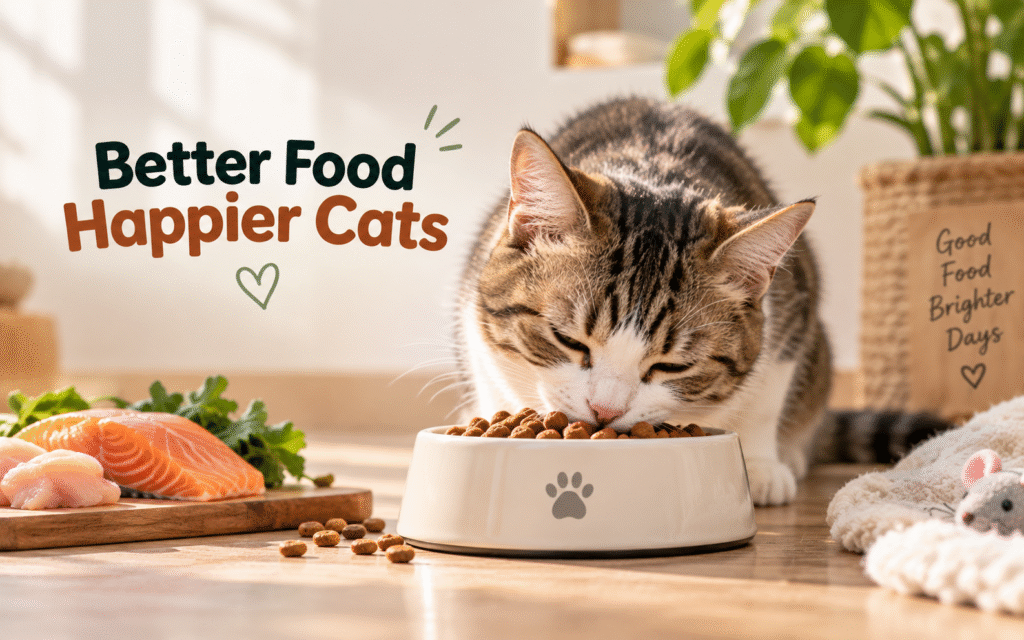
Choosing cat food can be surprisingly confusing. Walk into a pet store and you’ll find dry food, wet food, kitten formulas, adult formulas, breed-specific diets, treats and veterinary diets—all claiming to offer something different.
The right food depends on your cat’s age, life stage, health, activity level and individual nutritional needs. KutePets carries a wide range of dry, wet, kitten and specialised cat foods, making it possible to choose based on those differences rather than simply picking the cheapest or most attractive packet.
One of the first things to consider is your cat’s age.
Kittens have different nutritional requirements from adult cats. They are growing rapidly and need food formulated for their developmental stage.
For example, KutePets stocks kitten-specific options such as Whiskas Kitten Ocean Fish Dry Food and Drools Chicken Mousse Kitten. The Drools mousse is a high-moisture wet food marketed for growing kittens and includes taurine and DHA.
Shop kitten food:
KutePets Kitten Food
Adult cats generally need food designed to maintain their body condition rather than support rapid growth.
KutePets carries adult formulas from brands including Whiskas, Me-O, Drools, Purepet, Royal Canin and others.
Dry food, or kibble, is popular because it’s convenient, easy to portion and simple to store.
KutePets currently lists dry cat food from brands including Drools, Whiskas, Me-O, Purepet, Kitekat, Farmina, Friskies, Himalaya and Kitty Yums.
Some examples include:
Dry food can be particularly convenient for households where meals need to be portioned and stored easily.
However, always provide access to fresh drinking water, particularly when feeding predominantly dry food.
Wet food contains substantially more moisture than dry kibble, which can help increase a cat’s overall water intake.
It can also be useful for cats that are reluctant to drink enough water independently.
KutePets has a dedicated range of wet cat foods including mousse, pouches and other wet-food formats.
For example, Drools Chicken Mousse contains 80% moisture according to its product information and is formulated with chicken, chicken liver and taurine.
Other flavours include:
Many cat owners choose to feed a combination of dry and wet food.
There isn’t a requirement that every cat must eat only one format. What matters is that the overall diet is nutritionally appropriate and that total calories are controlled.
A practical routine might involve:
Morning: Dry food
Evening: Wet food
Or you can divide the daily amount between both.
If you’re changing your cat’s diet, introduce the new food gradually rather than suddenly replacing the old food.
There isn’t one universal amount that works for every cat.
Portion requirements depend on factors such as:
Start with the feeding guidance provided on the product packaging and adjust with veterinary guidance if your cat needs weight management.
For example, KutePets’ Drools wet-food listings provide feeding guidance based on the cat’s weight.
Avoid free-feeding large amounts simply because your cat keeps asking for food. Cats can gain excess weight when calories consistently exceed their needs.
Treats can be useful for bonding, enrichment and training, but they shouldn’t replace a nutritionally complete diet.
KutePets has a dedicated cat-treat selection including natural treats, creamy treats and dental treats.
For example, Me-O Creamy Salmon Cat Treats are among the cat treats listed by KutePets.
Think of treats as an extra, not the main meal.
This is where choosing cat food becomes more complicated.
Cats with certain medical conditions may require diets specifically formulated for their needs.
KutePets lists veterinary diets such as:
These are different from ordinary maintenance cat food.
Veterinary diets should be used according to your veterinarian’s recommendation, particularly for cats with kidney, gastrointestinal, urinary or other diagnosed conditions.
Some cats may benefit from diets designed around particular breed characteristics.
For example, KutePets lists Royal Canin Persian Kitten, formulated specifically for Persian kittens and described as addressing characteristics including their developing digestive system, coat and brachycephalic jaw shape.
However, breed-specific food isn’t automatically necessary for every cat. Your cat’s individual nutritional needs should remain the priority.
Don’t suddenly replace your cat’s existing food with a completely different diet unless your veterinarian specifically tells you to.
A gradual transition can help reduce digestive upset and give your cat time to accept the new taste and texture.
You can gradually increase the proportion of the new food while reducing the old food over several days.
If your cat refuses food, develops persistent vomiting or diarrhoea, or shows other concerning symptoms, contact your veterinarian.
Whatever food you choose, fresh drinking water should always be available.
Some cats prefer:
Food isn’t the only part of good feline nutrition. Hydration matters too.
Instead of asking “Which brand is the best?”, start with these questions:
Choose a food designed for its life stage.
You can use either or combine both where appropriate.
Wet food can contribute additional moisture.
Portions and calorie density matter.
Ask your veterinarian whether a therapeutic diet is appropriate.
A nutritionally appropriate food is only useful if your cat actually eats it.
Whether you’re looking for kitten food, adult cat food, dry kibble, wet food, treats or veterinary diets, KutePets has a growing selection of cat nutrition products.
For kittens:
Drools Chicken Mousse Kitten
For adult cats:
Drools Chicken Mousse Cat
For dry-food shoppers:
KutePets Dry Cat Food Collection
For premium/specialised diets:
Royal Canin Cat Food
For treats:
KutePets Cat Treats & Food Collection
Choose food according to your cat—not just the picture on the packet.
Age, health, body condition, lifestyle and individual tolerance all matter. And if you’re unsure about what your cat needs, your veterinarian can help you choose an appropriate diet.
KutePets makes the shopping part easier, with cat food, treats and pet-care products available online.
This article is for general educational purposes and isn’t a substitute for veterinary advice. Cats with diagnosed medical conditions should be fed according to their veterinarian’s recommendations.